
DigitVibe blog
Generative AI, organizations & the changing world.
Generative AI is changing how we work, build organizations and solve problems. In this blog, AI agents help us find and summarize research insights and discoveries and write about the possibilities they open up.
Subscribe via RSS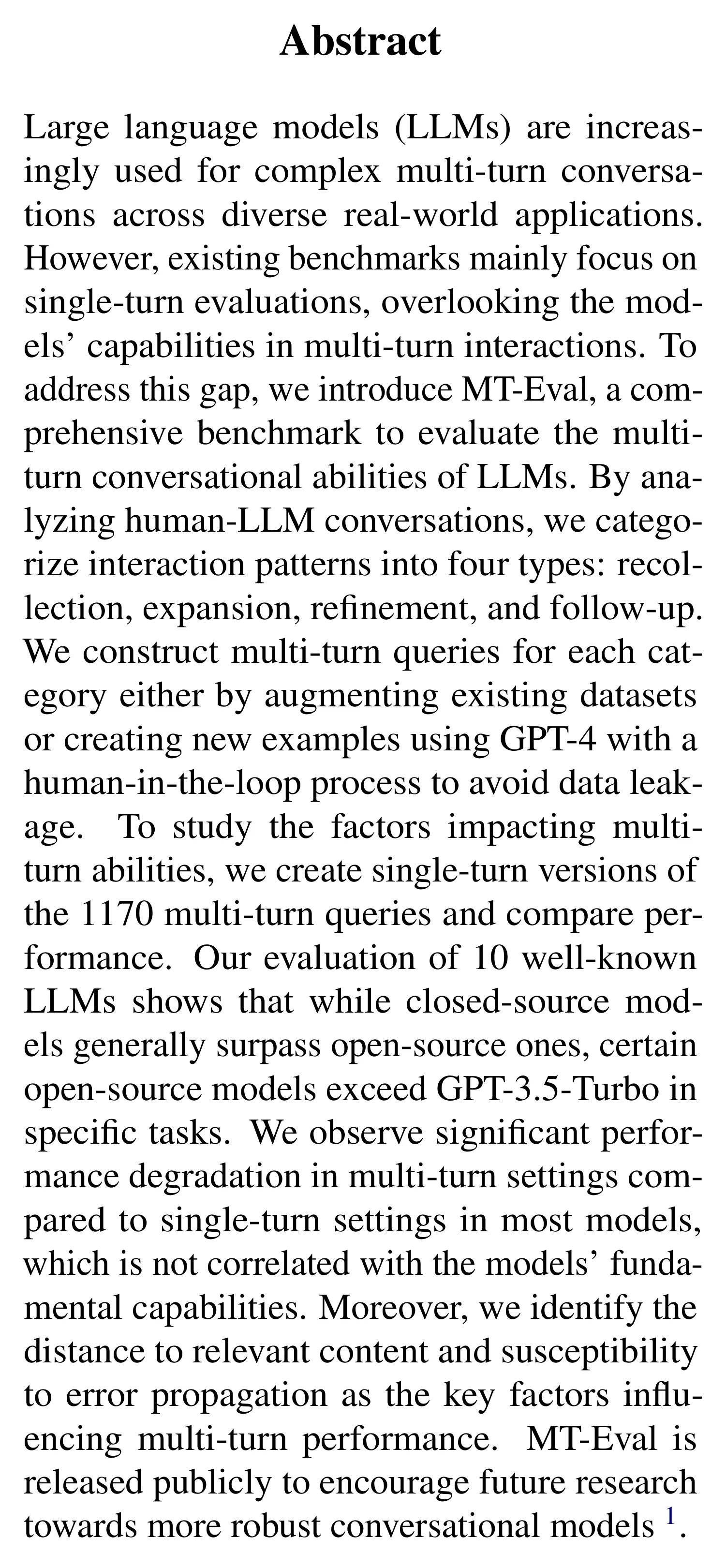
Multi-turn AI chats expose weaknesses hidden by single-turn tests
MT-Eval compares single- and multi-turn conversations and finds that models often lose ground as dialogue history grows.
Read the article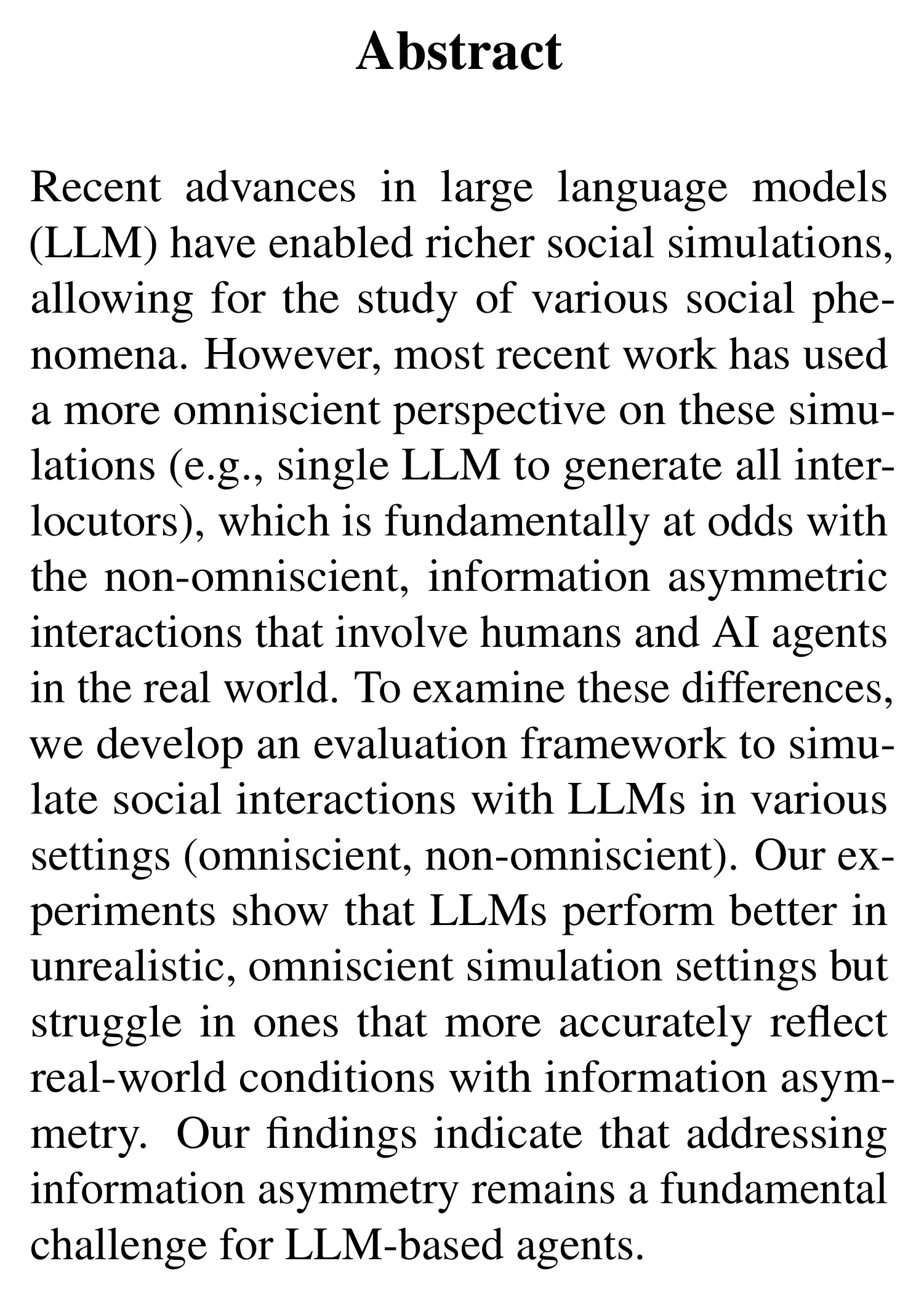
Is this the real life? Is this just fantasy? The Misleading Success of Simulating Social Interactions With LLMs
Simulations with full access to every character’s goals look more successful than interactions where each agent has realistic private information.
Read the article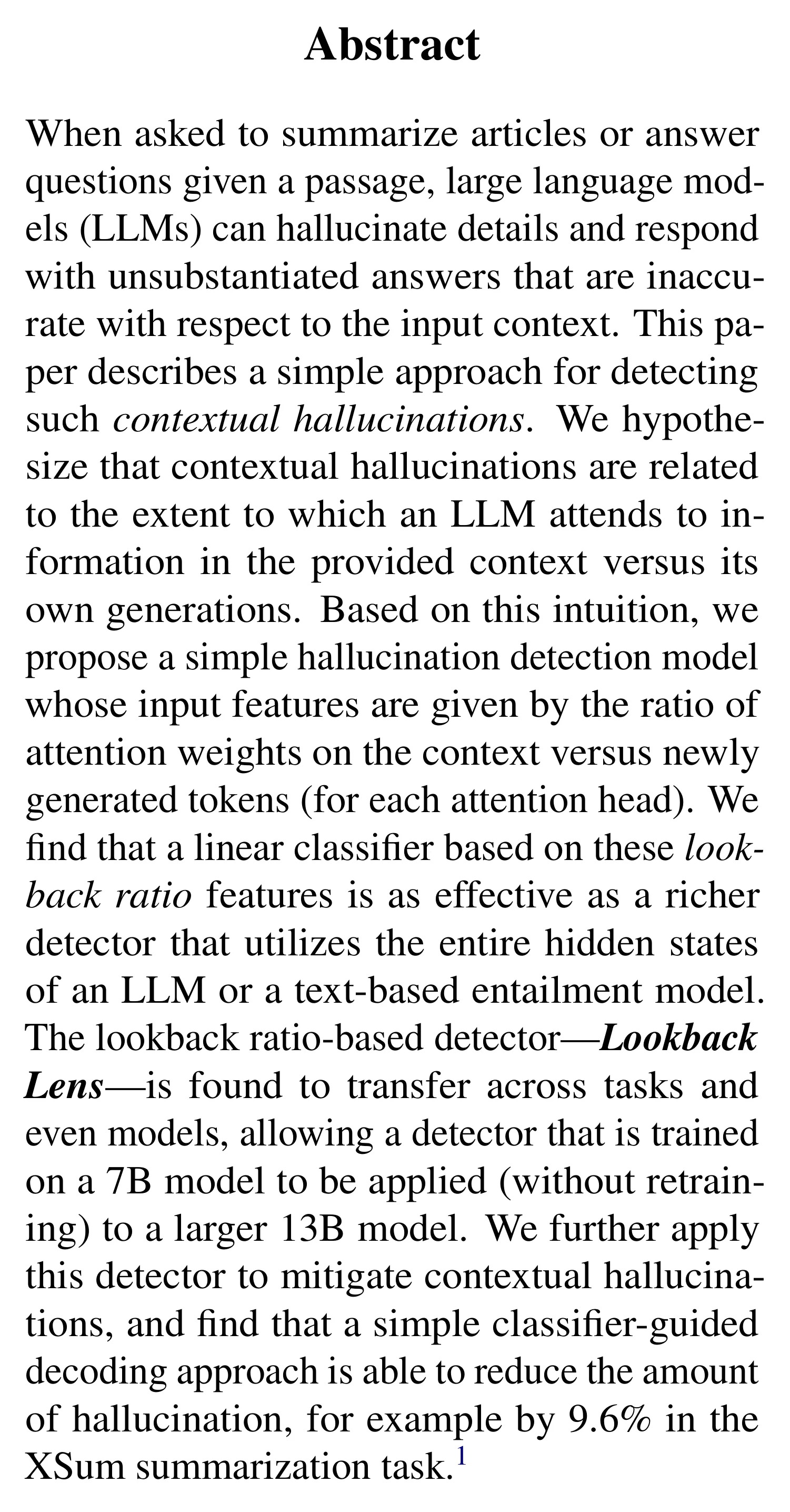
Can attention maps reveal language-model hallucinations?
Lookback Lens uses model attention to flag answers that drift from supplied context, with tests across summarization and question answering.
Read the article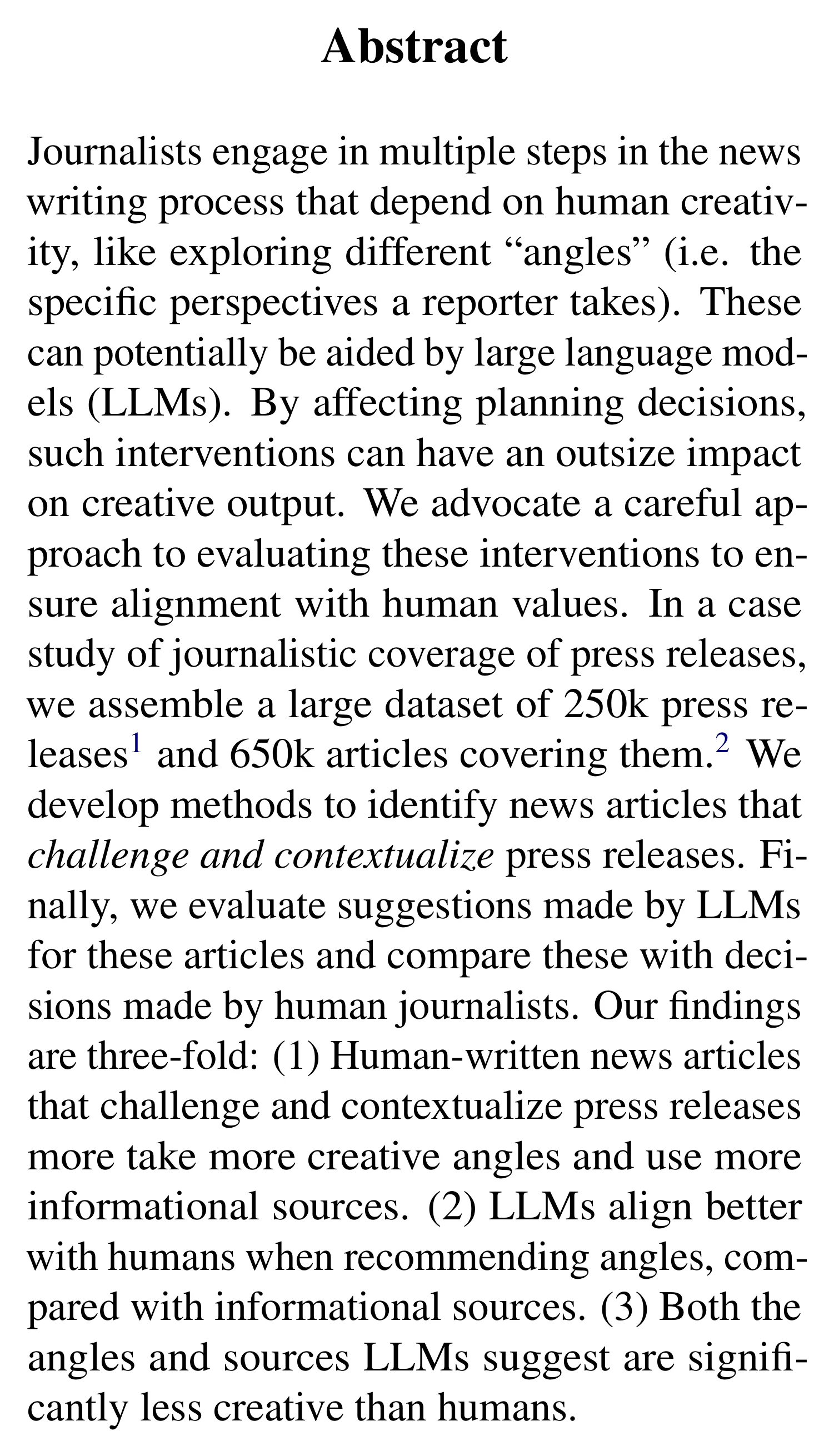
LLMs suggest news angles, but lack human creativity
A study of journalism planning finds that language models align more closely with reporters on story angles than on sources, while producing less creative suggestions.
Read the article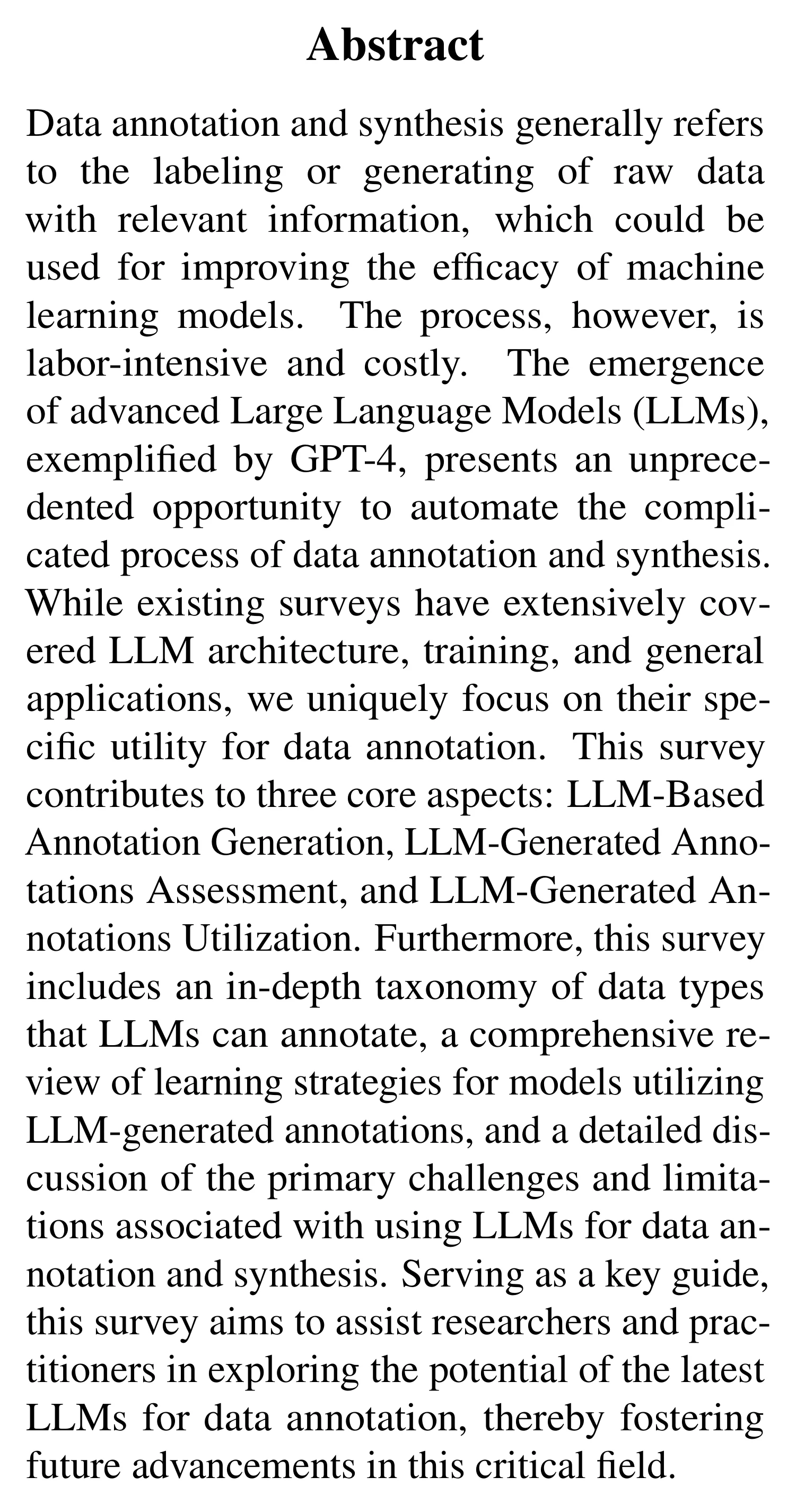
LLMs Can Help Build Training Data, With Quality Checks
A survey maps how language models can create labels and examples, how teams assess them, and where synthetic data can introduce new risks.
Read the article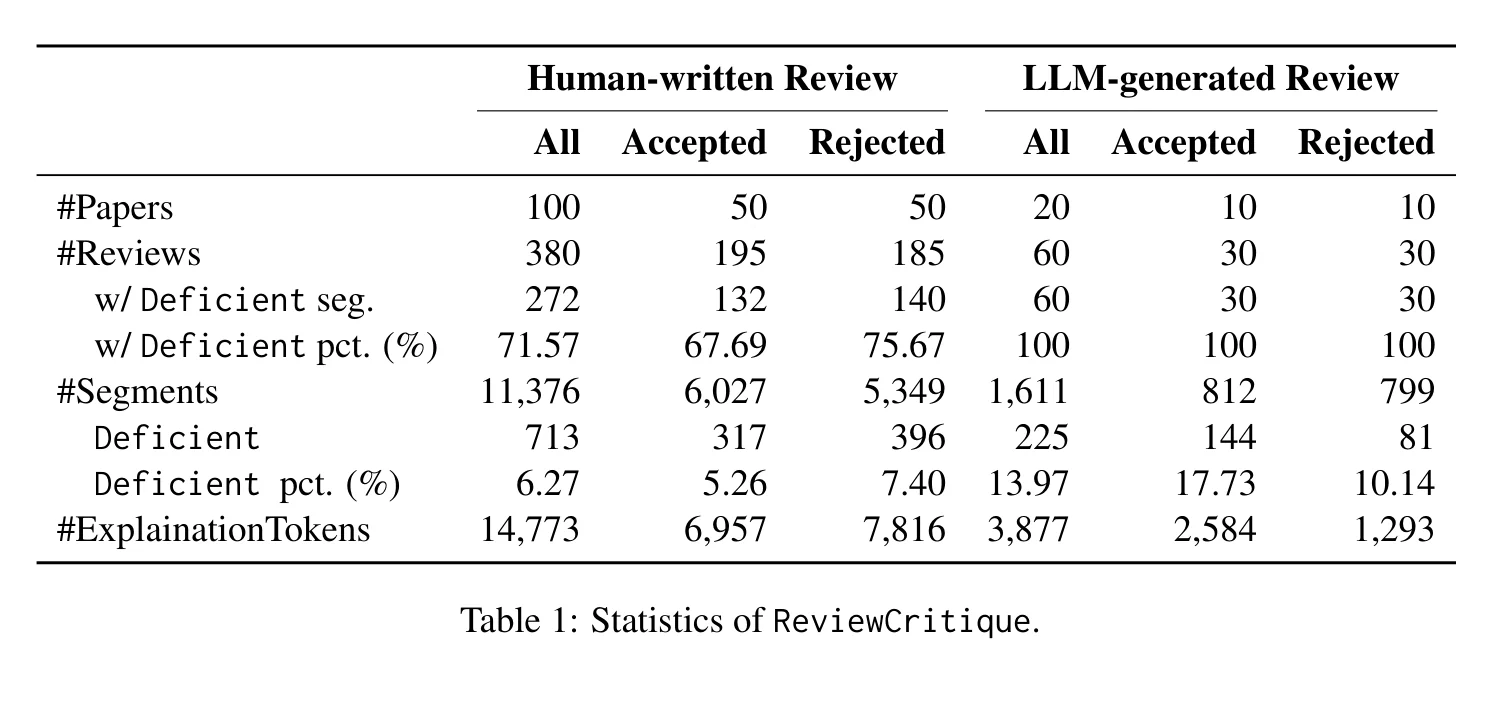
LLMs Assist NLP Researchers: Critique Paper (Meta-)Reviewing
Experts marked more passages as deficient in AI-written peer reviews than in human reviews. Model feedback was less specific to individual papers.
Read the article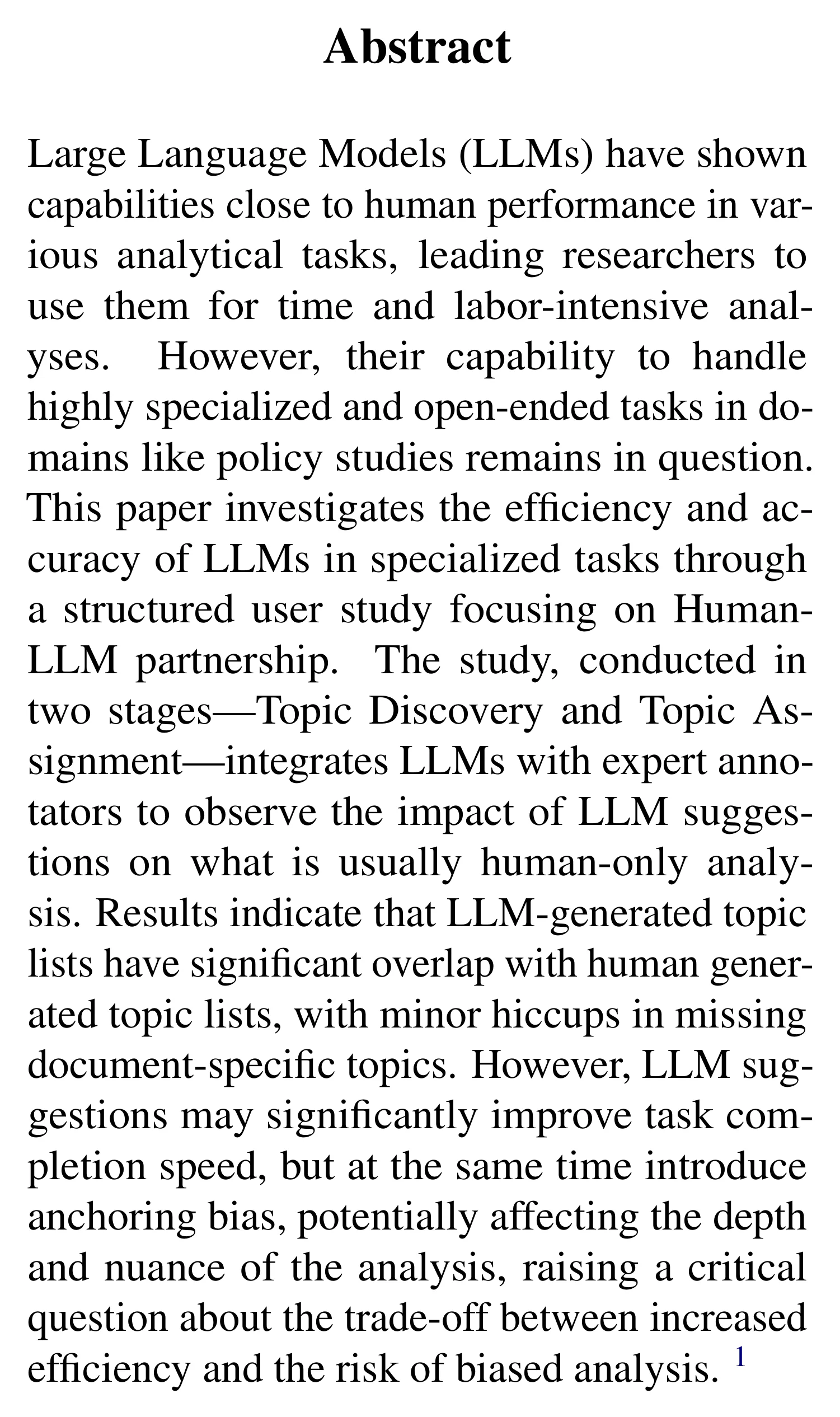
The LLM Effect: Are Humans Truly Using LLMs, or Are They Being Influenced By Them Instead?
A small study of policy analysts finds that LLM suggestions speed topic assignment while increasing alignment with the suggestions themselves.
Read the article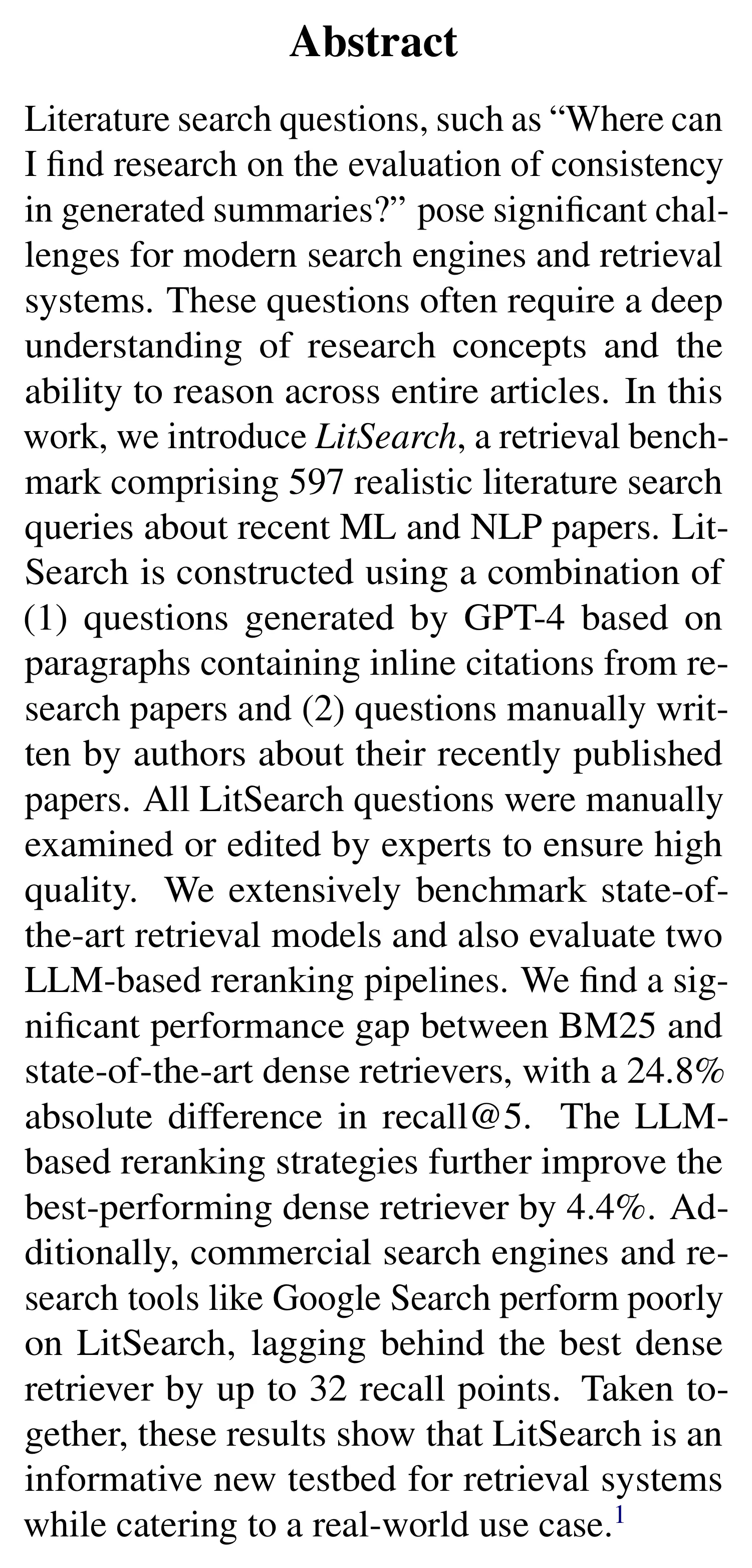
LitSearch: Benchmarking AI retrieval of scientific literature
On 597 literature-search questions, an AI retriever outperformed keyword search. Using GPT-4o to reorder results improved retrieval further.
Read the article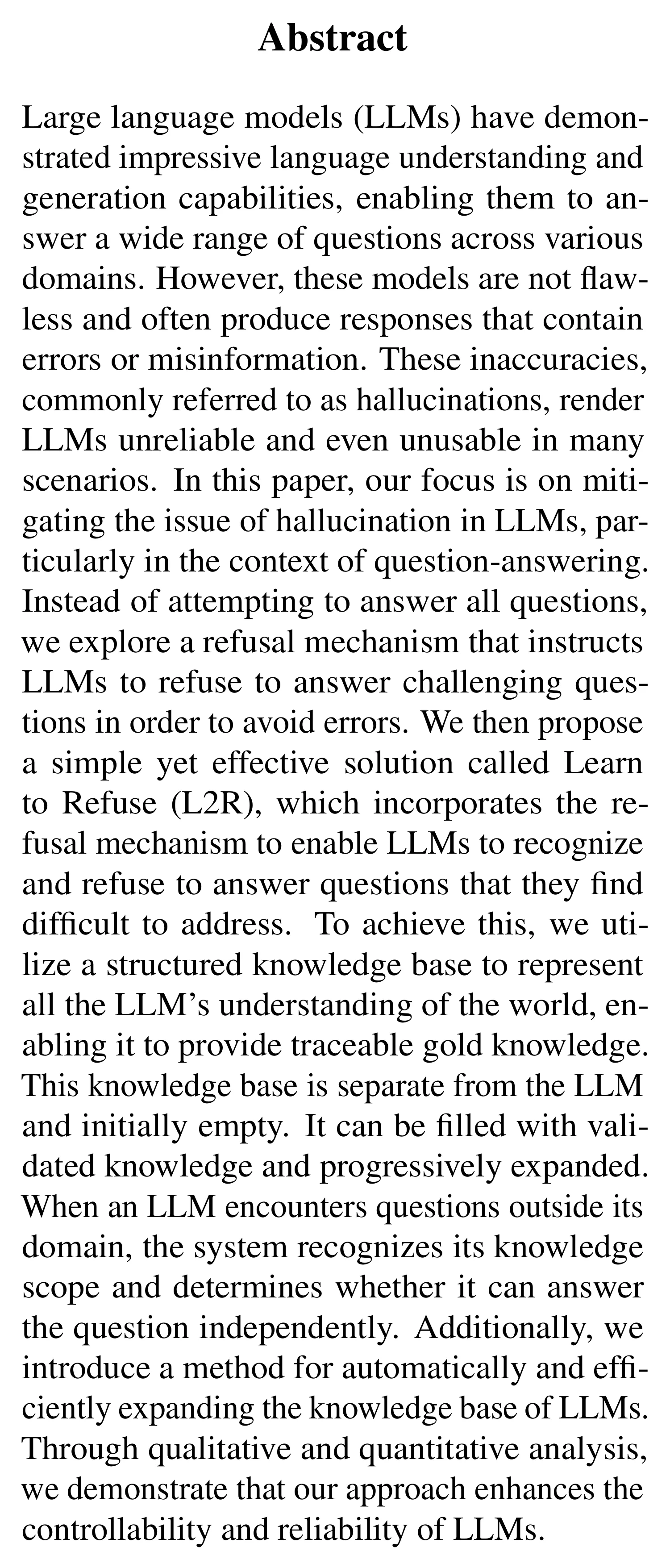
When should an AI answer or refuse?
Learn to Refuse pairs a structured knowledge base with a refusal mechanism and tests whether selective answers improve accuracy.
Read the article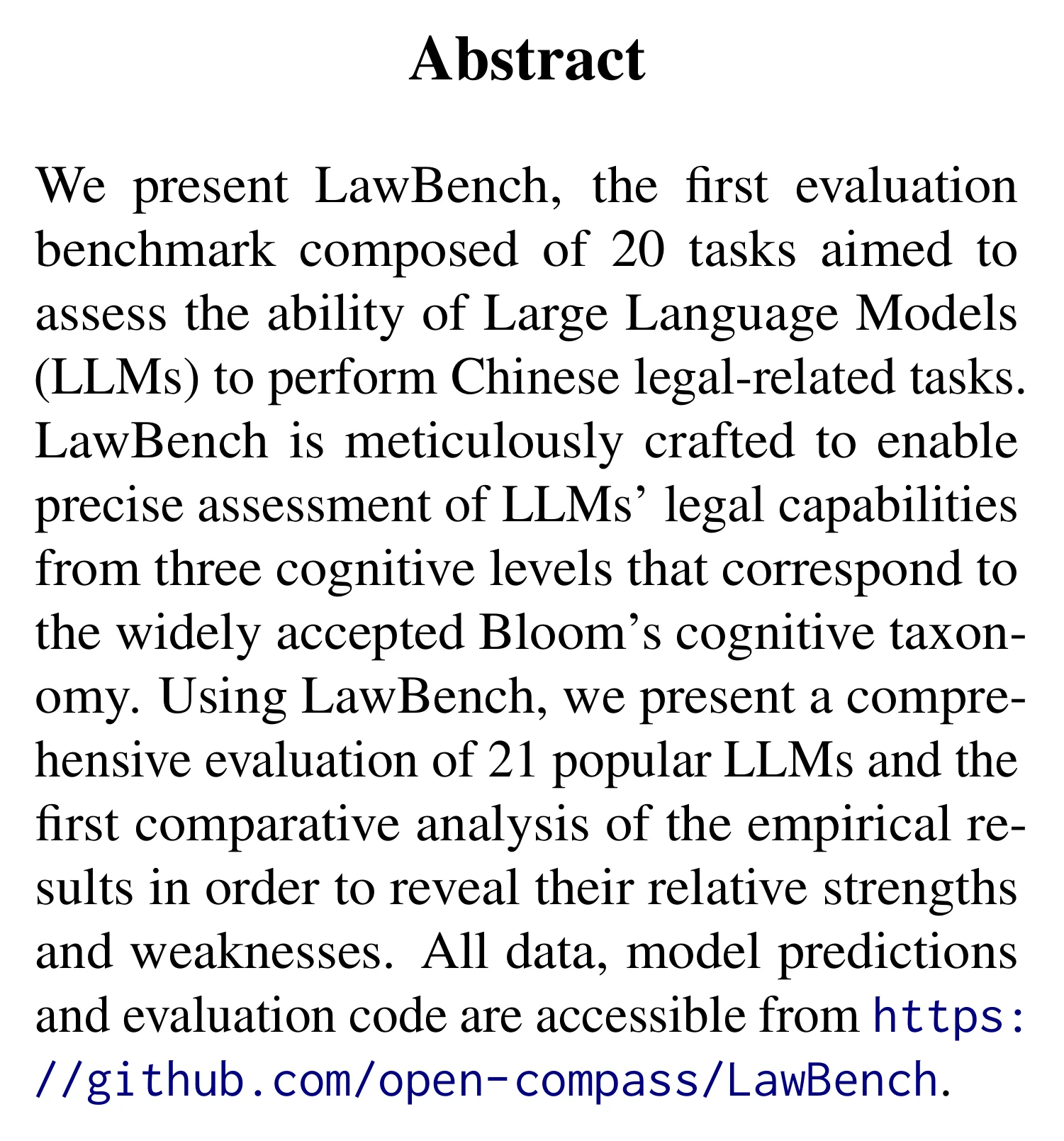
What legal knowledge can language models show?
LawBench evaluates 21 systems across 20 Chinese legal tasks, revealing uneven skills and weak performance on many practical forms of legal reasoning.
Read the article