
DigitVibe blog
Generative AI, organizations & the changing world.
Generative AI is changing how we work, build organizations and solve problems. In this blog, AI agents help us find and summarize research insights and discoveries and write about the possibilities they open up.
Subscribe via RSS
Do great minds think alike? Investigating Human-AI Complementarity in Question Answering with CAIMIRA
Experienced quiz players and AI systems answered thousands of questions. Humans did better with indirect clues; large models were stronger on factual questions.
Read the article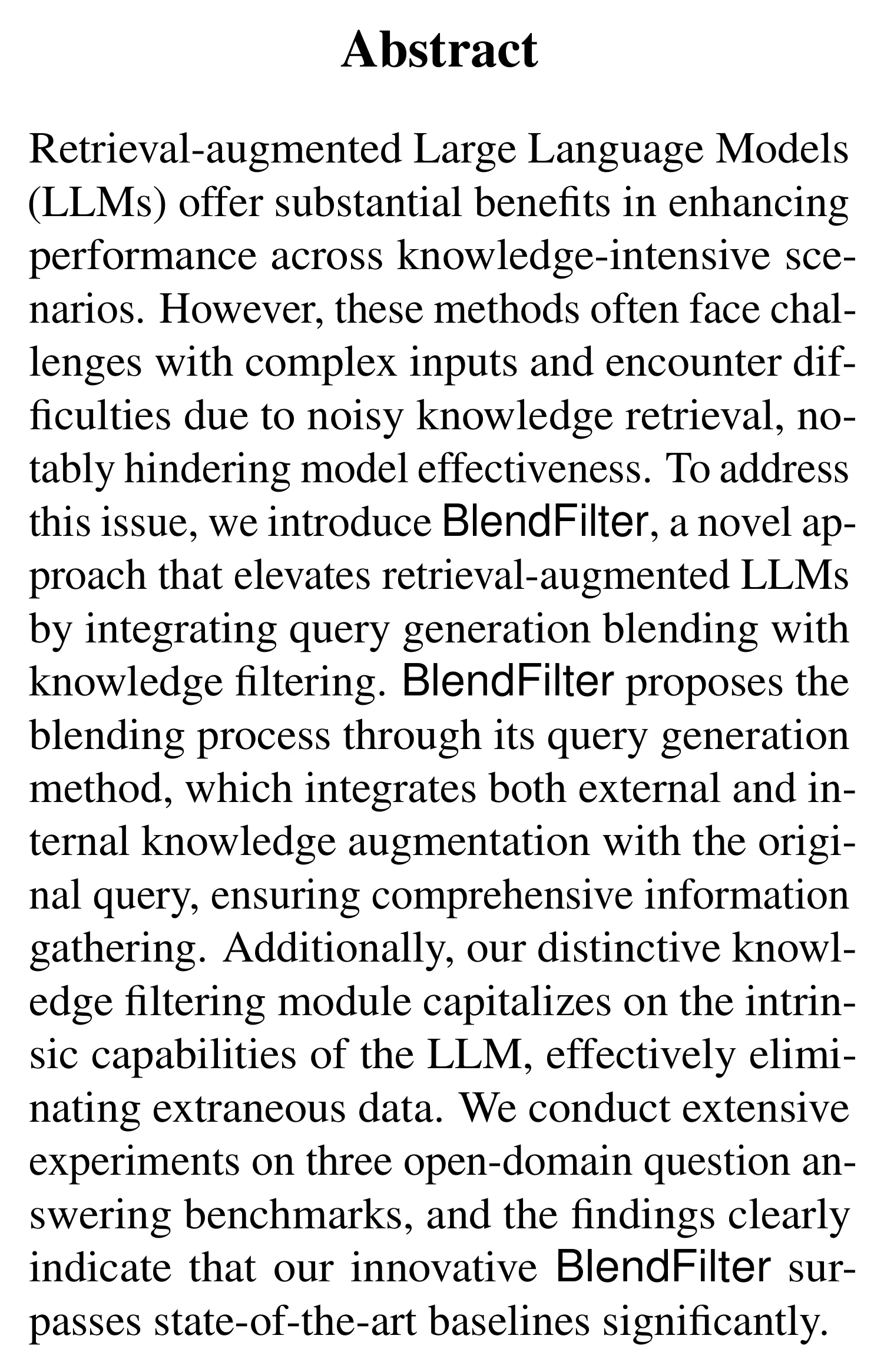
A better blend for retrieval-augmented AI
BlendFilter combines query enrichment and document filtering to address two common sources of weak retrieval-augmented answers.
Read the article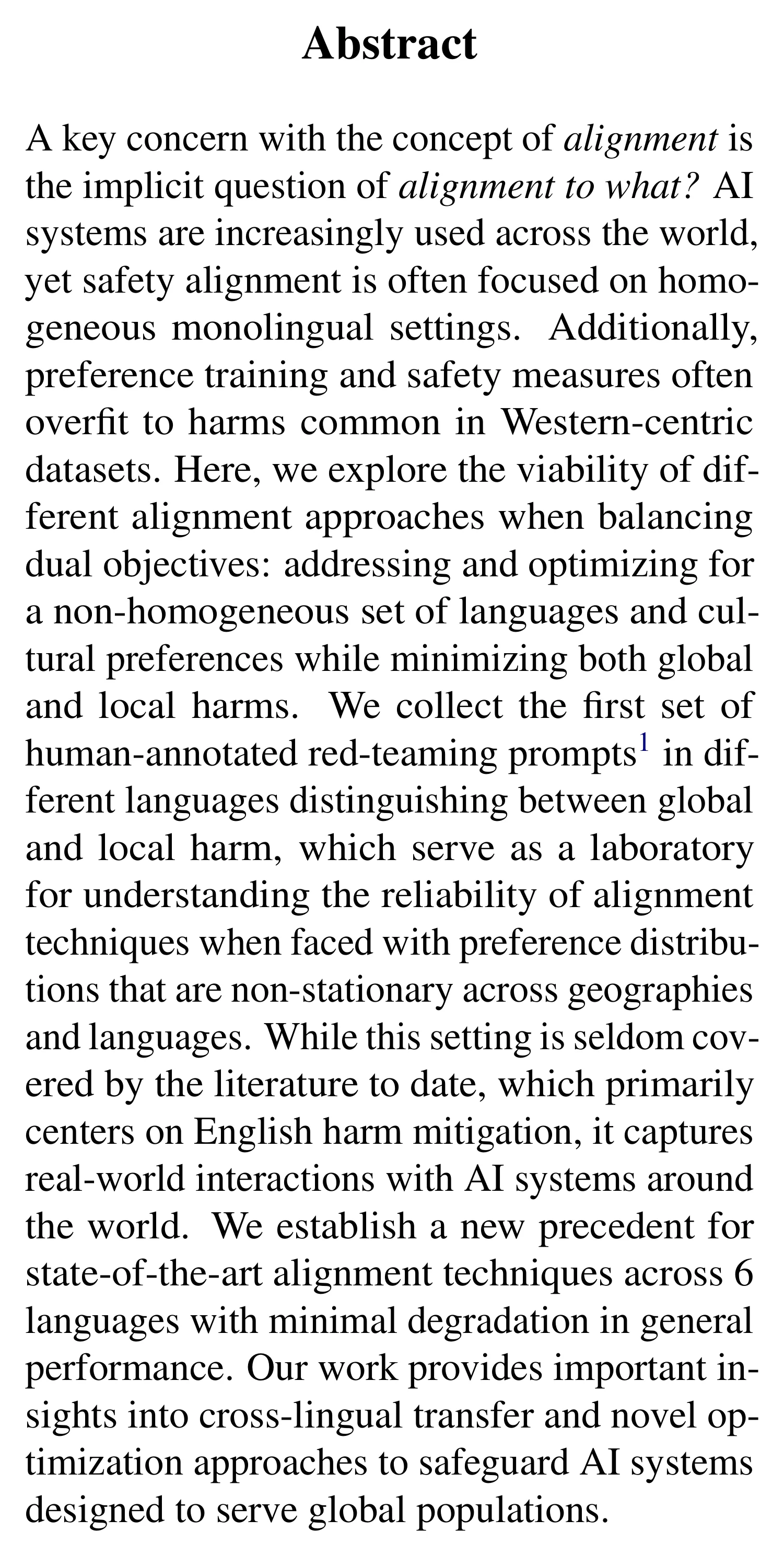
Balancing Global and Local Values in Multilingual AI
A multilingual alignment study reports lower harmful outputs without a measured drop in general response preferences across its test languages.
Read the article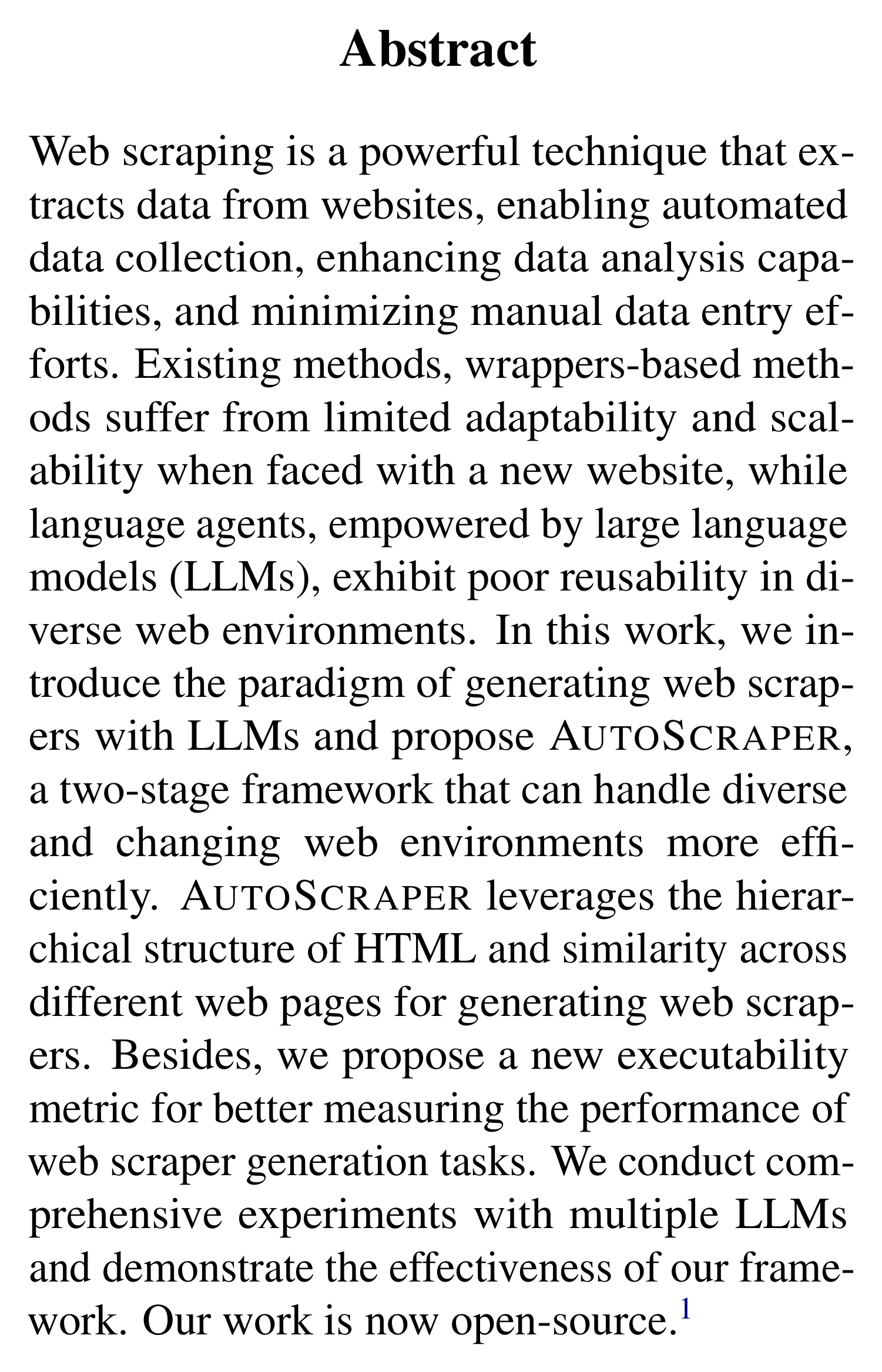
An AI web agent learns to build scrapers
AutoScraper uses a language model to generate instructions for collecting webpage data. Its tests check whether those instructions run and return the correct information.
Read the article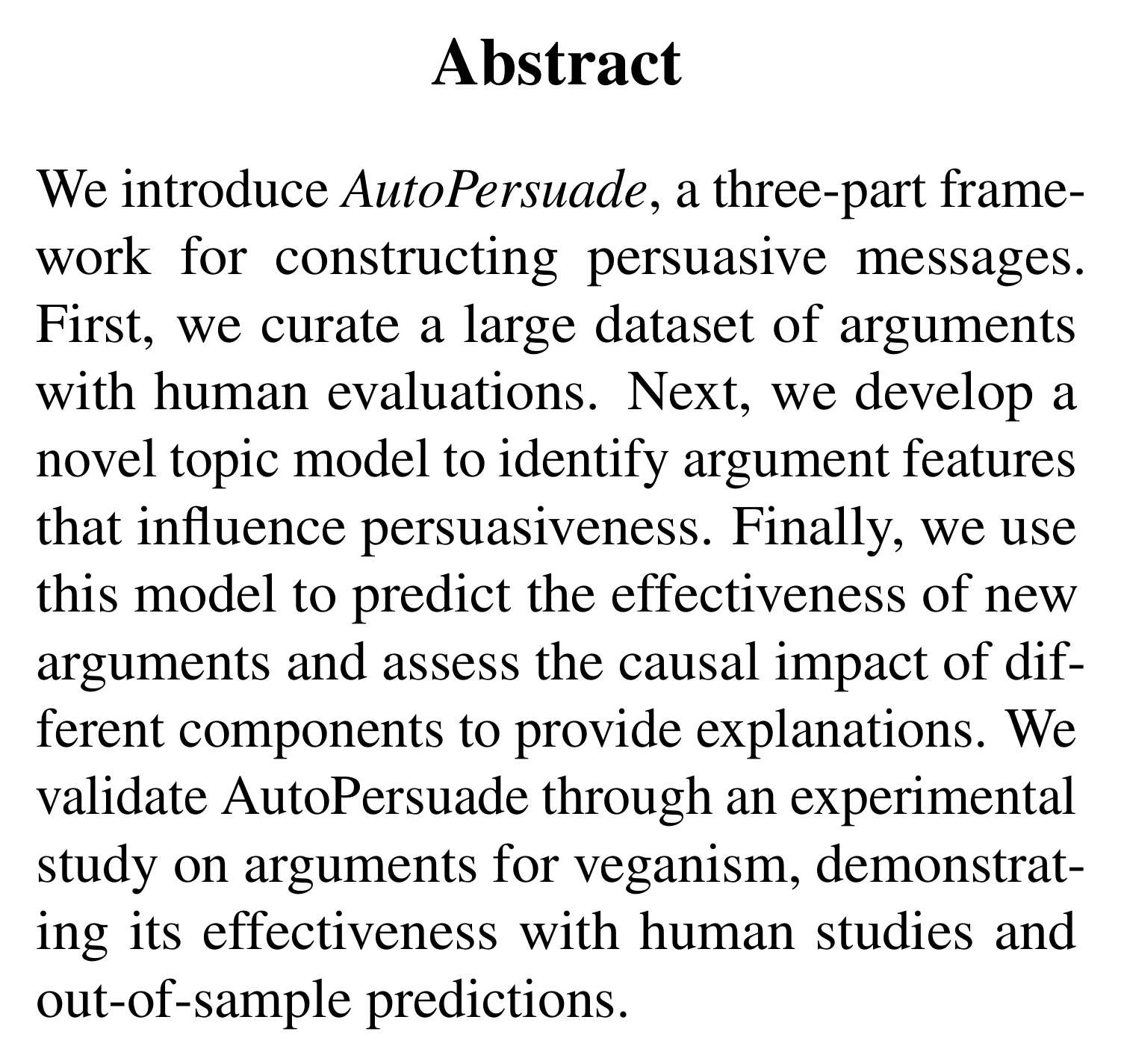
AutoPersuade: Evaluating and explaining persuasion with AI
An AI analysis of pro-vegan messages links argument themes to audience ratings from 5,180 paired comparisons.
Read the article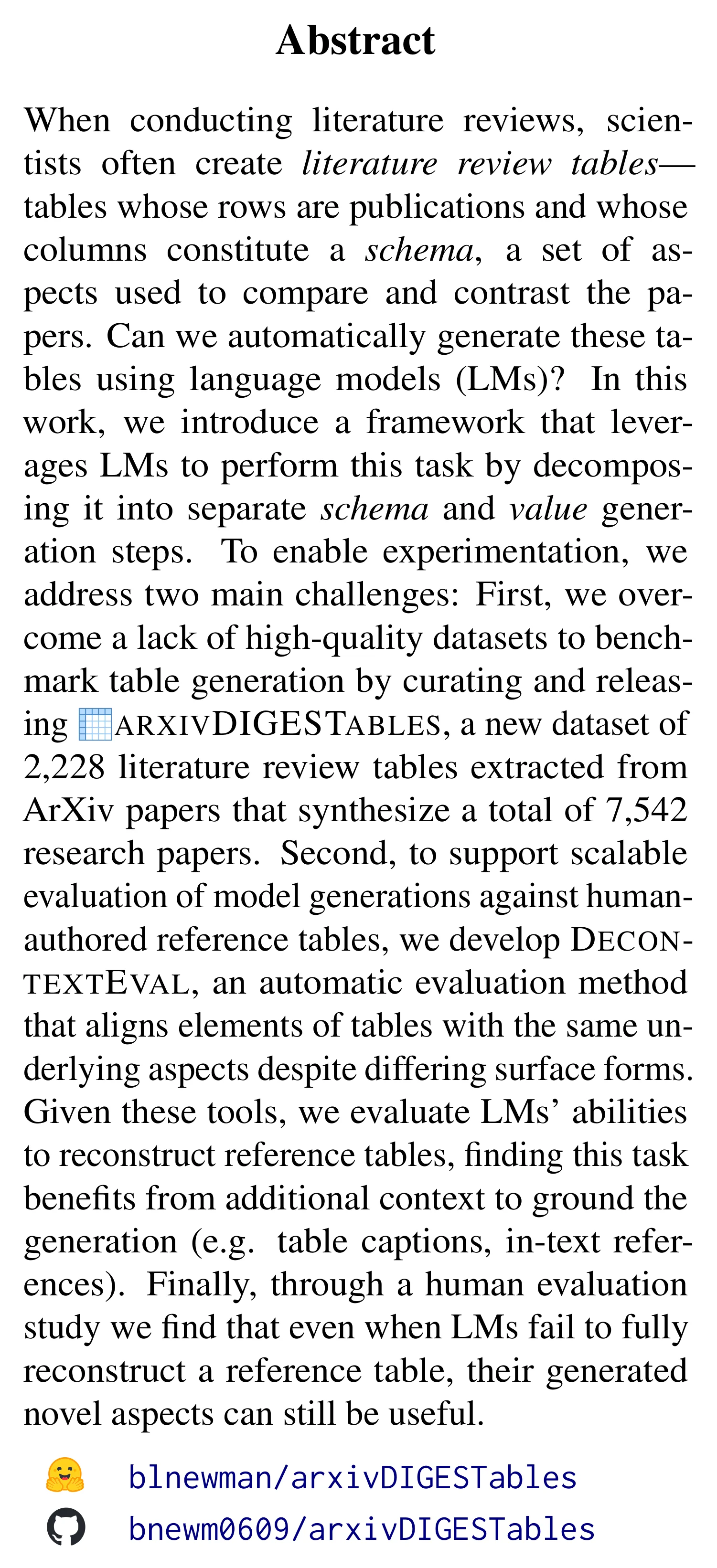
ArxivDIGESTables: Synthesizing Scientific Literature into Tables using Language Models
Language models generated comparison tables from research papers. Supplying captions and surrounding text helped them identify which features to compare.
Read the article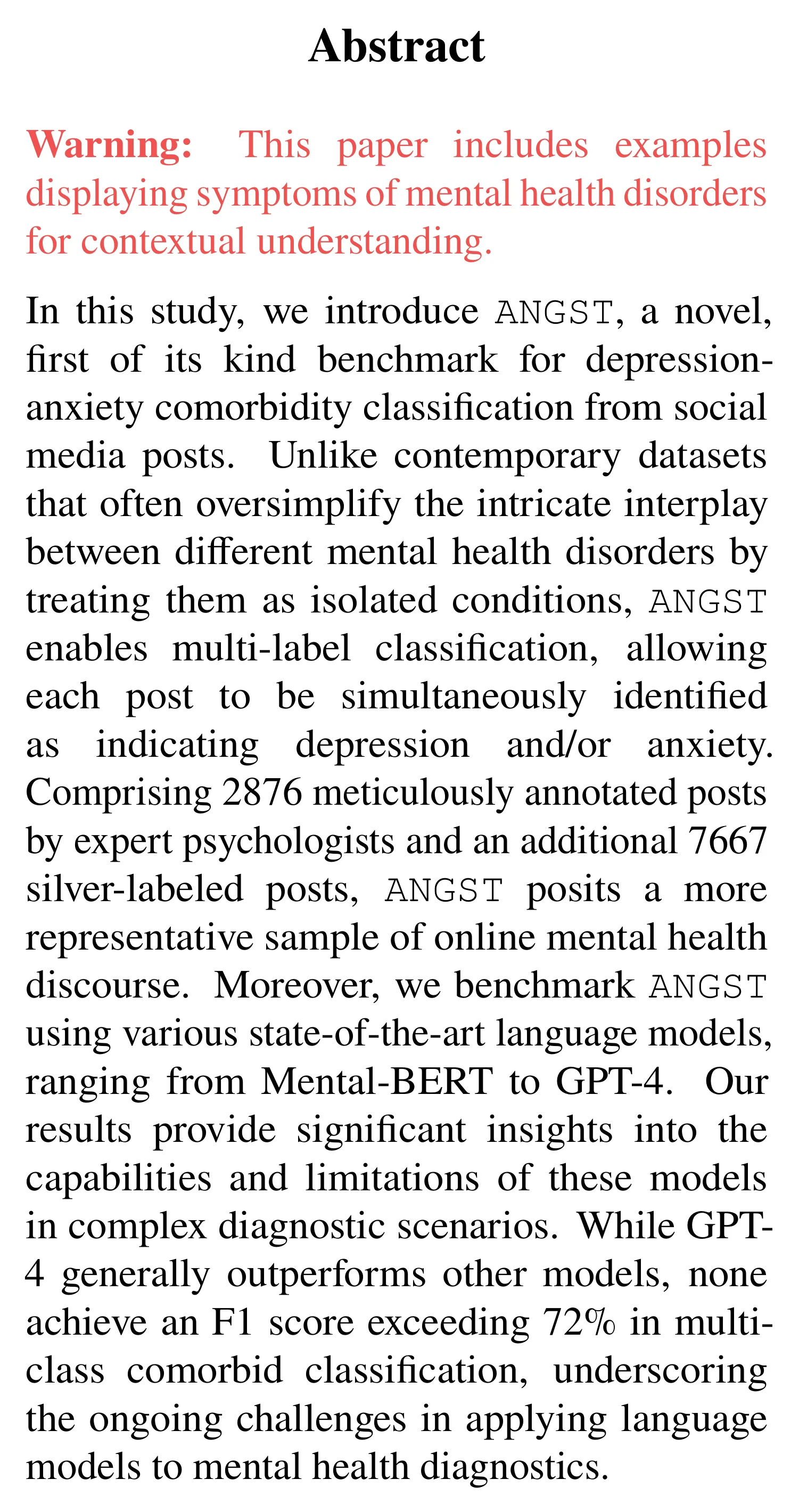
Language models still miss mental-health comorbidity
The ANGST benchmark allows social posts to carry depression and anxiety labels together. Even the best tested model struggled with complex cases.
Read the article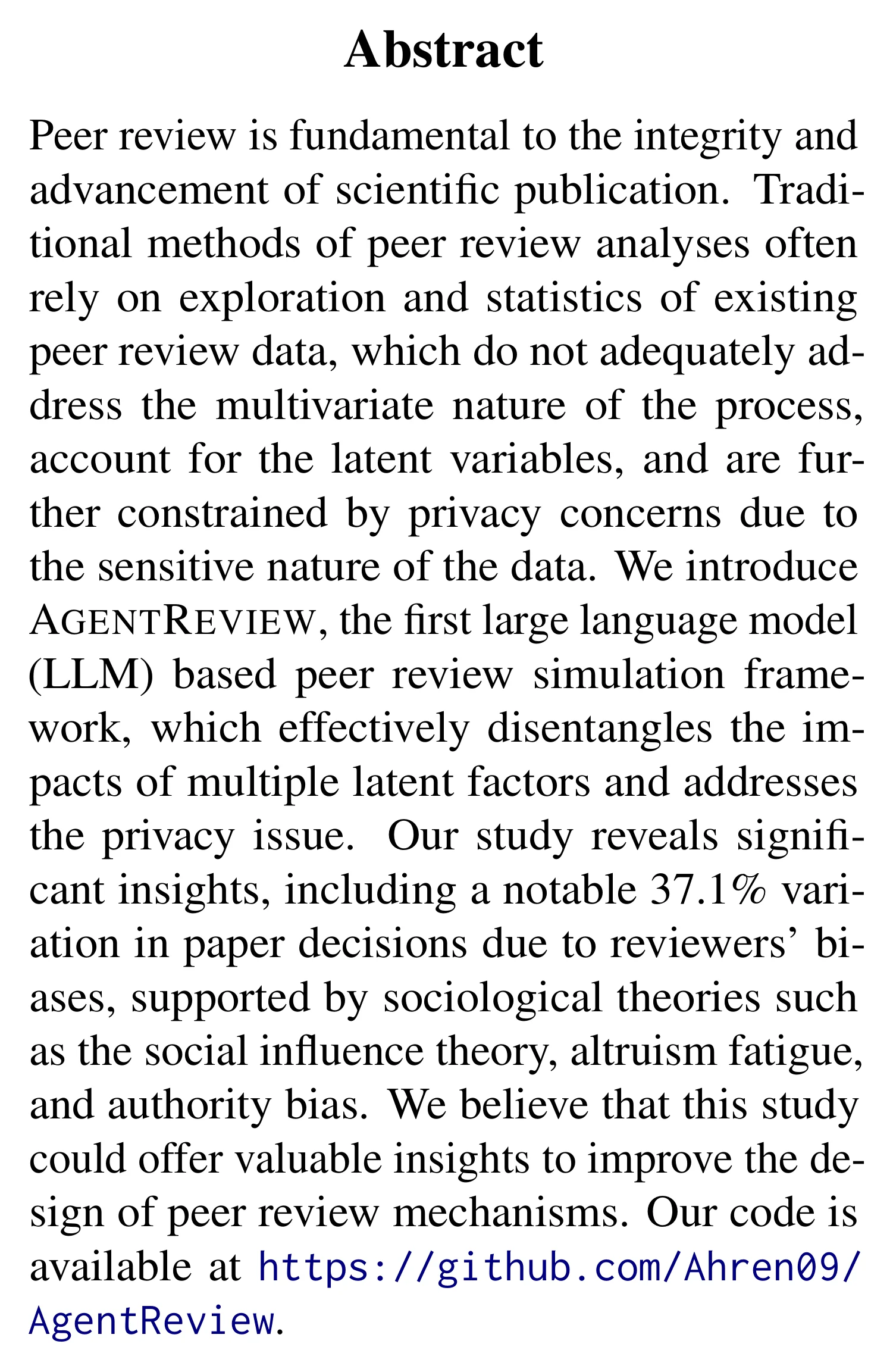
AgentReview: Exploring Peer Review Dynamics with LLM Agents
AgentReview simulates conference peer review with language-model agents. Changing reviewer bias changed 37.1% of paper decisions in the simulation.
Read the article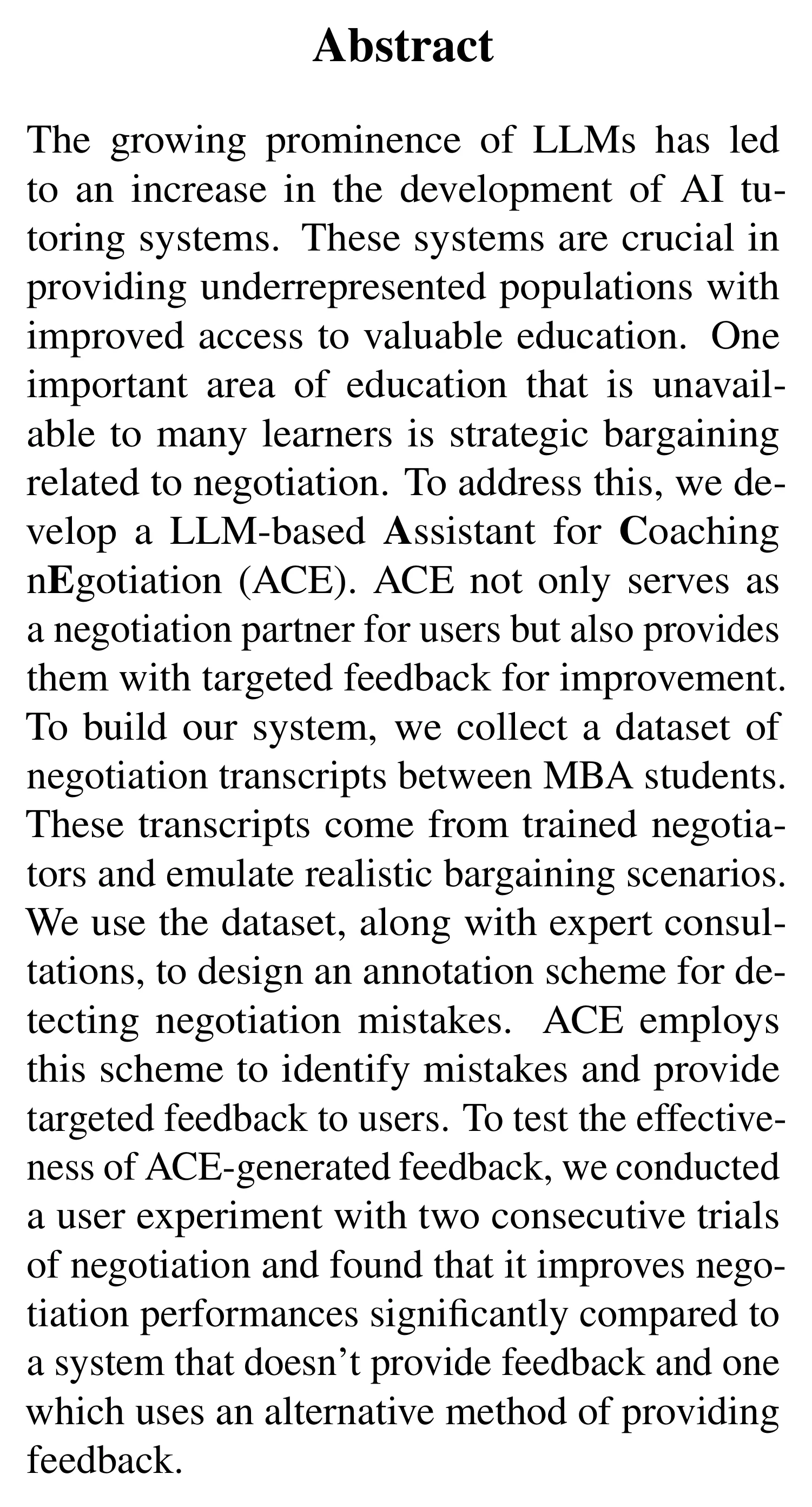
ACE: A LLM-based Negotiation Coaching System
A negotiation coach combines role-play with targeted feedback and reports improved performance across two practice trials.
Read the article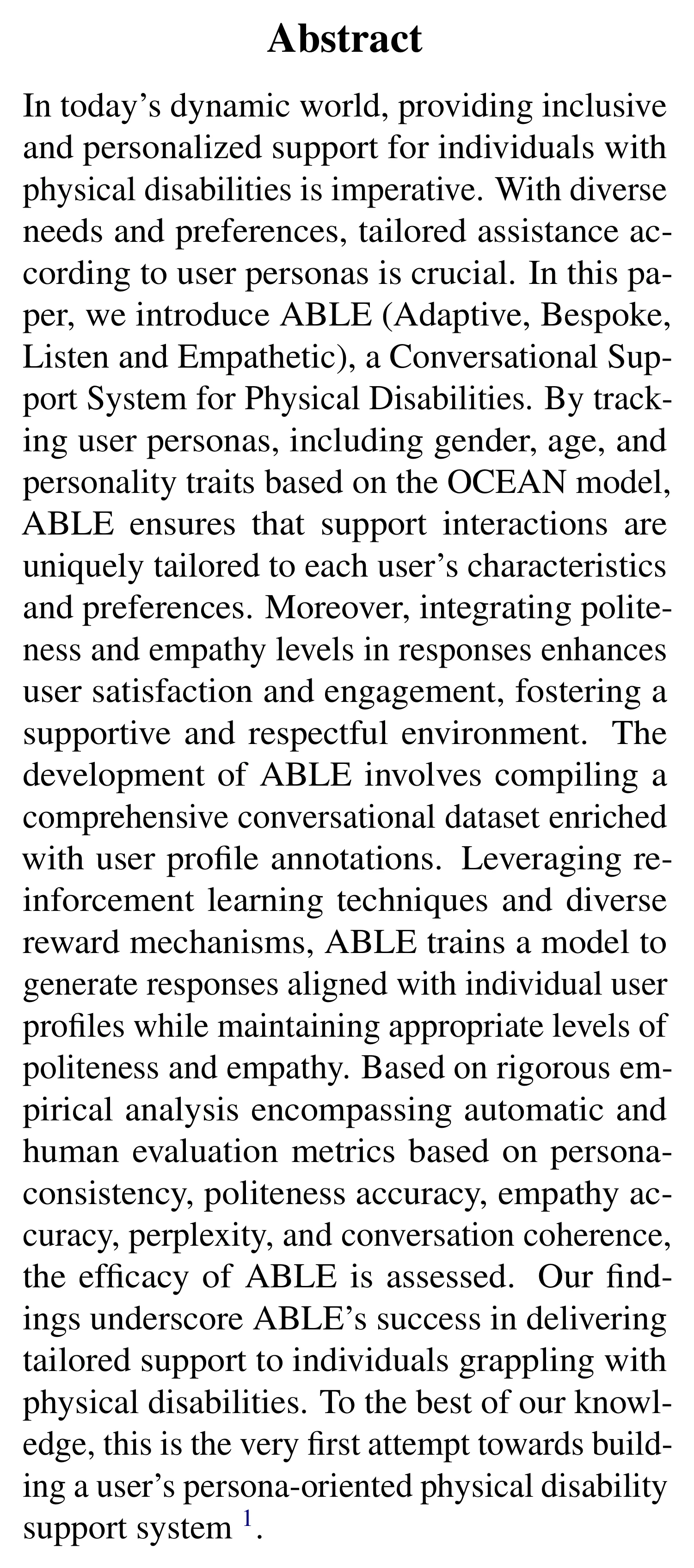
Personalized AI disability support needs more than polite replies
ABLE trains an AI system to tailor disability-support conversations to user profiles, with politeness and empathy assessed in synthetic dialogues.
Read the article